
- All
- Product Name
- Product Keyword
- Product Model
- Product Summary
- Product Description
- Multi Field Search
Views: 0 Author: Site Editor Publish Time: 2026-09-21 Origin: Site


In the demanding world of the metal industry, primary crushing serves as the critical first step. Facilities process tough, abrasive ores like iron, copper, and gold around the clock. At the heart of this relentless operation is the jaw crusher. This rugged, massive machine is engineered to break unyielding rocks into manageable sizes. However, the extreme conditions inherent to metal processing mean these machines endure immense mechanical stress, violent vibrations, and constant abrasive wear.
Without a proactive maintenance strategy, even the most durable primary crushers suffer from catastrophic structural failures. Such breakdowns inevitably lead to exorbitant repair costs. Worse, they cause crippling unplanned downtime that halts the entire plant production. This guide explores exactly what plant managers and maintenance engineers need to know to optimize equipment lifespan. From daily inspection checklists to managing wear parts, we cover the essential frontline tactics. Furthermore, we will analyze when it makes financial sense to stop repairing legacy equipment and invest in a modern Heavy-Duty Jaw Crusher to keep your operations running profitably.
Proactive vs. Reactive: Implementing a strict daily and weekly maintenance schedule drastically reduces unexpected downtime in high-volume metal processing plants.
Wear Part Management: Regularly inspecting, flipping, and replacing corrugated jaw dies is absolutely essential to combat severe abrasion from metallic ores.
Lubrication is Lifeline: Measured lubrication of bearings prevents overheating and premature failure under heavy shock loads.
Optimal Tensioning: Maintaining correct toggle plate and tension rod settings ensures peak crushing efficiency while protecting the main structural frame.
Strategic Upgrades: Upgrading to a modern, high-capacity machine lowers long-term cost-per-ton metrics significantly compared to endlessly patching fatigued equipment.
Recent industry shifts reveal a challenging trend for metallurgical plants. Global ore grades are steadily declining. Consequently, facilities are forced to process significantly higher volumes of hard rock simply to yield the same amount of refined metal. This operational reality places unprecedented strain on primary crushing circuits. Plant managers are increasingly moving away from reactive fixes. Instead, the industry is rapidly adopting predictive maintenance models. Engineers now integrate IoT vibration sensors and real-time thermal monitoring to predict failures before they occur. This shift underscores a simple truth: scientifically structured maintenance directly dictates the longevity of the most expensive machine components, namely the main frame, the eccentric shaft, and the heavy-duty bearings.
Primary crushing involves handling materials possessing exceptionally high compressive strength. Ores such as magnetite, hematite, and copper porphyry exhibit physical characteristics that drastically accelerate component degradation. This abrasive nature creates aggressive friction against the crushing chamber, literally grinding away the steel over time.
Neglecting maintenance in this harsh environment yields severe financial consequences. When wear parts degrade beyond their acceptable operational tolerance, the machine loses its gripping ability. Crushing efficiency plummets, leading to a sharp drop in throughput. Running a compromised machine exponentially increases the risk of catastrophic failure. This translates to lost production hours, expensive emergency part replacements, and potential safety hazards for plant personnel navigating a dust-choked breakdown site.
To maintain operational integrity, processing facilities must transition from stop-gap repairs to scheduled inspections. Below is an evidence-based, frontline approach to monitoring equipment health.
Daily inspections should be non-invasive but highly observant. Operators must focus on acoustic and thermal indicators during the initial startup phase and while under load.
Acoustic Monitoring: Listen closely for unusual noises. Crushing hard metal ores is inherently deafening. Yet, operators should be trained to identify rhythmic knocking or grinding sounds. These specific noises often indicate a loose toggle plate or failing internal bearings.
Fastener Integrity: Heavy vibrations from breaking hard rock can easily back out bolts over a single shift. Visually inspect and verify the torque on foundation anchor bolts, wedge bolts securing the liners, and motor mounts.
Thermal Monitoring: Utilize infrared thermometers to log the temperature of the main and pitman bearings. A sudden thermal spike is frequently the very first indicator of lubrication failure or seal contamination.
Beyond standard daily checks, weekly maintenance requires shutting down and fully locking out the machine to perform mechanical adjustments.
Tension Rod and Spring: Inspect the tension rod assembly for proper compression. This spring ensures the pitman is pulled tightly against the toggle plate. If tension is lost, the toggle plate can violently dislodge during a crushing stroke, causing immediate structural damage.
V-Belt Drive System: Check all drive belts for fraying, cracking, and proper tension using a deflection gauge. Misaligned or slipping belts drastically reduce power transmission efficiency. This leads to chamber blockages and reduced hourly throughput.
Wear Pattern Analysis: Examine the stationary and moving jaw plates closely. Metal ores often cause localized, uneven wear patterns. Identifying these anomalies early allows maintenance teams to schedule timely jaw plate reversals before the underlying frame is exposed.
Wear parts serve as the primary line of defense against abrasive metal ores. These heavy liners are typically cast from austenitic manganese steel. This unique alloy is noted for its ability to work-harden. As heavy, jagged ore impacts the plates, the outer surface layer compresses and hardens. This increases its resistance to abrasion while the inner core remains ductile enough to absorb shock without shattering. However, the sheer abrasiveness of metallurgical rock can sometimes erode the surface faster than the hardened layer can form. This makes meticulous wear management absolutely crucial.
The crushing action is most intense at the bottom of the chamber near the discharge opening. Specifically, the lower half of the dies will inevitably wear out much faster than the top. To maximize the lifespan of these costly components, standard industry practice dictates flipping them periodically.
The trigger for inspection usually occurs when the lower corrugated teeth are approximately half worn flat. Replacing or flipping these liners requires strict adherence to safety protocols. Teams must apply Lockout Tagout procedures to the electrical systems and utilize certified overhead cranes to maneuver the heavy steel. When reinstalling, operators must ensure all mating surfaces are scrubbed completely clean of rock dust. Applying specified backing compounds and torquing the wedge bolts to exact manufacturer specifications prevents the plates from shifting under heavy crushing loads.
While the jaw dies perform the actual rock fracturing, the side liners protect the interior walls of the main frame. These cheek plates prevent the abrasive gouging of ore as it travels down the chamber. Cheek plates do not require flipping, but they demand close monitoring. If a cheek plate wears completely through, the jagged ore will begin eroding the steel frame itself. This results in complex welding repairs that are exponentially more expensive than a simple liner swap.
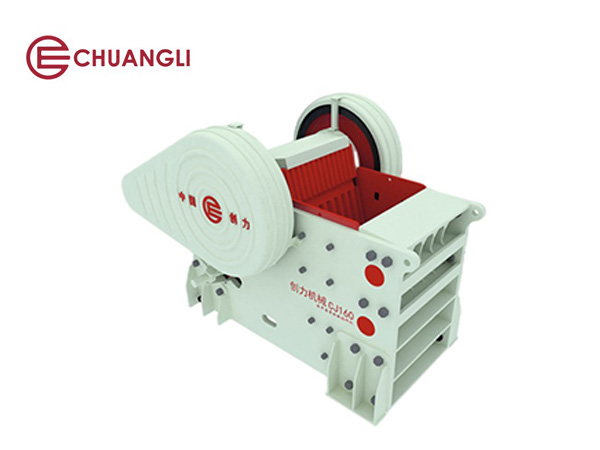
Proper lubrication acts as the literal lifeblood of any primary crusher. When operating a high-capacity heavy-duty jaw crusher, the immense pressure generated by fracturing solid metal ores is transferred directly into the eccentric shaft and its supporting bearings. Without a scientifically managed lubrication strategy, friction will rapidly destroy these precision components.
Standard multipurpose grease is entirely insufficient for the brutal demands of the metal industry. Plant managers must procure high-temperature, Extreme Pressure greases. These specialized lubricants contain additives like molybdenum disulfide or graphite. They create a resilient protective film on the bearing rollers and races. This film prevents destructive metal-to-metal contact even under severe shock-loading conditions. Typically, a lithium-complex thickened grease is recommended, adjusted slightly based on ambient seasonal temperatures.
The eccentric shaft and pitman bearings require rigid adherence to a greasing schedule. In heavy-duty applications, this generally dictates adding a highly specific volume of grease every eight to forty operating hours. Inadequate lubrication predictably leads to increased friction, rapid temperature spikes, and eventual bearing seizure. Conversely, pumping excessive grease into the housing is equally destructive. Over-greasing builds immense internal hydraulic pressure, which can blow out the labyrinth seals. Once these seals rupture, the grease escapes, allowing highly abrasive silica and metal dust to flood the bearing cavity.
In a metal processing environment, airborne abrasive dust covers every surface. Protecting lubrication points from this ingress is vital. Maintenance personnel should utilize purge greasing techniques. A small, calculated amount of fresh grease pushes out old, degraded lubricant and trapped contaminants through the relief valve. In practice, it is a critical detail to wipe all grease fittings completely clean with a rag before attaching a grease gun. Failing to do so simply injects surface dirt directly into the heart of the bearing.
Even with rigorous preventative care, operational anomalies will occasionally surface. Plant engineers must utilize an evidence-based, methodical approach to diagnose and resolve these issues swiftly to minimize costly downtime.
When thermal monitoring indicates elevated bearing temperatures, operators must halt the feed immediately to prevent catastrophic failure. The root cause often traces back to improper lubrication. This could be recent over-greasing that blew a seal, or chronic under-greasing. Teams should inspect the purged grease. If it appears gritty or metallic in color, dust has bypassed the labyrinth seals. Additionally, mechanical overload from overly tight drive belts places excessive radial load on the shaft, generating immense friction and heat.
A sudden drop in hourly throughput usually stems from calibration drift or feed issues. If the Closed Side Setting is set too wide, capacity drops as material falls through without proper reduction. If set too tight, the crushed rock cannot exit fast enough, causing material packing. Bridging occurs when an oversized, uncrushable chunk of ore becomes wedged in the upper chamber. This must be cleared safely using mechanical rock breakers or excavators. Personnel must never enter a stalled crushing chamber to manually dislodge jammed rocks.
While heavy machinery inherently vibrates, abnormal or violent shaking indicates structural imbalances. Technicians should first inspect the concrete foundation and anchor bolts. Loose bolts allow the massive frame to shift, wasting crushing energy and tearing apart supporting structures. Furthermore, if mud or metallic debris accumulates unevenly on the flywheel rims, it disrupts the counterweights. This causes violent, rhythmic vibrations that will eventually fatigue the eccentric shaft.
The operating environment in the metal processing industry is notoriously hostile. The primary crushing of hard ores generates massive volumes of highly abrasive airborne particulates. If these fine particles bypass the machine seals, they mix with the bearing lubricant to form a highly destructive grinding paste. This contamination drastically accelerates wear, leading to premature thermal failure.
Implementing robust environmental protection strategies is a fundamental component of site maintenance. Dust suppression systems are critical at both the feed hopper and the discharge conveyor. Dry fog misting systems or high-pressure water sprays can effectively knock down airborne dust before it settles on the machinery. However, moisture must be carefully calibrated. Excessive water application causes fine ore to turn into mud, leading to blinding or bridging within the chamber. Utilizing flexible rubber dust covers over the toggle plate area creates a reliable physical barrier against particulate ingress.
Metal plants frequently undergo scheduled shutdowns for facility-wide maintenance, or they may place redundant equipment into strategic reserve. Improper storage during these dormant periods causes irreversible damage, primarily through oxidation and static load stress. When a machine sits idle, the protective oil film on internal bearings drains away, leaving bare metal vulnerable to condensation and deep rust.
To preserve mechanical integrity, maintenance teams must adhere to strict preservation protocols. First, the crushing chamber must be entirely cleared of residual ore to prevent localized corrosion on the manganese dies. Second, all unpainted machined surfaces must be coated with a heavy-duty industrial rust inhibitor. Crucially, static tension must be relieved. Drive belts should be slackened to prevent permanent warping. The tension rod spring should be loosened to reduce constant pressure on the toggle plate. As a best practice, personnel should manually rotate the flywheel several times a month to redistribute grease and prevent microscopic indentations on the bearing raceways caused by static vibrations.
Because primary crushers represent a massive capital investment, plant managers often default to repairing aging equipment to avoid high upfront replacement costs. However, there is a critical financial threshold where the cumulative cost of continuous repairs, replacement parts, and unplanned downtime heavily outweighs the price of a brand-new unit. This requires a rigorous assessment of the Total Cost of Ownership. Engineers must incorporate direct maintenance labor, energy consumption per ton, and the severe indirect costs of lost production during breakdowns.
Signs that your current setup is no longer viable include chronic bearing failures, visible fatigue cracking in the main frame requiring frequent specialized welding, and an inability to hold a consistent discharge gap. If the hardness or volume of the metal ore feed has increased over the years, a legacy machine may simply lack the structural integrity required for current operational demands. Repairing a fatigued cast or welded frame is often a temporary patch rather than a permanent solution.
Transitioning from an aging, standard-duty machine to a modern crusher engineered specifically for hard rock applications introduces profound operational advantages. Older equipment often relies on outdated, labor-intensive mechanical shim systems for adjusting the gap, exposing personnel to safety risks. Modern machines feature advanced hydraulic wedge adjustment systems. This allows operators to change settings safely in minutes, ensuring downstream cone crushers receive a consistently sized feed.
Investing in a mining aggregates heavy-duty jaw crusher provides the reinforced frame thickness, oversized spherical roller bearings, and optimized kinematic motions required to aggressively fracture hard ores. A deep V-shaped crushing chamber ensures higher crushing ratios and prevents material blockages, directly boosting hourly capacity.
Feature | Legacy Standard Crusher | Modern Heavy-Duty Jaw Crusher |
|---|---|---|
Frame Construction | Welded steel, prone to fatigue cracking under hard rock stress. | Heavy-duty cast steel or reinforced bolted construction, eliminating stress concentrations. |
Chamber Design | Standard shallow cavity, leading to frequent material bridging. | Deep V-shaped crushing chamber, maximizing feed size and throughput. |
Gap Adjustment | Manual shim plates requiring crane lifting and extended downtime. | Hydraulic wedge block adjustment, enabling fast and safe gap changes. |
Bearing Capacity | Standard bearings, vulnerable to overheating during continuous heavy loads. | Oversized spherical roller bearings designed specifically for extreme shock loads. |
Maintaining a primary jaw crusher in the metal industry goes far beyond merely fixing components when they break. It requires establishing a resilient culture of proactive, preventative care. By adhering strictly to daily operational inspections, mastering the nuances of wear part management, optimizing lubrication schedules, and promptly troubleshooting minor anomalies, processing plants can drastically extend the service life of their heavy machinery. Ultimately, a meticulously maintained crusher ensures maximum operational uptime, consistent material sizing, and a much healthier bottom line.
However, when the compounding costs of maintenance begin to overshadow production output, strategically upgrading remains the smartest decision a facility can make. If your plant is struggling with legacy equipment breakdowns, it is time to evaluate a robust solution. Explore the technical specifications and capacity upgrades of a modern Heavy-Duty Jaw Crusher to secure your future productivity, lower your cost-per-ton, and keep your operators safe.
For most heavy-duty applications operating in the abrasive metal industry, bearings should be greased every eight to forty operating hours. This frequency depends heavily on the specific engineering tolerances of the manufacturer and the ambient operating environment. It is critical to use a high-quality, Extreme Pressure lithium-complex grease. Always consult your specific equipment manual. Under-greasing leads to catastrophic friction, while over-greasing can rupture the labyrinth seals.
The most frequent culprits behind bearing failure are particulate contamination and improper lubrication protocols. In metal processing plants, fine, abrasive dust is omnipresent. If this dust penetrates the bearing housing due to compromised seals or careless greasing practices, it destroys the rolling elements. Utilizing an incorrect grease grade or applying excessive grease that inhibits thermal expansion will cause bearings to overheat and seize.
Jaw dies should be subjected to rigorous weekly visual inspections. The primary indicator for maintenance is the condition of the corrugated teeth on the lower section of the jaw plate, where the majority of the crushing occurs. When these teeth wear flat, the machine loses its grip, resulting in a drop in capacity and inconsistent product sizing. At this point, the dies should be flipped to utilize the unworn upper section. Once both ends are flattened, full replacement is mandatory.
While standard equipment can process softer materials or handle metal ores intermittently, prolonged exposure to highly abrasive and hard materials like iron or copper ore will induce rapid structural wear. Standard frames and bearings are not rated for the extreme fatigue limits required in metallurgy. It is strongly advised to utilize a heavy-duty machine specifically engineered with reinforced frames and oversized bearings for these applications.
Safety is paramount when adjusting the discharge gap. For older mechanical crushers, the machine must be completely powered down. Strict Lockout Tagout procedures must be enforced before manually inserting or removing heavy steel shim plates. Conversely, if the facility utilizes a modern machine equipped with a hydraulic wedge adjustment system, the gap can be modified rapidly and safely via a control panel. Regardless of the system, adjustments should always be verified by physically measuring the discharge gap.
The optimal setting depends entirely on the maximum feed size accepted by your secondary crusher, usually a cone crusher. In iron ore processing, the primary jaw crusher is typically set to produce a product size where 80 percent of the material passes through a specific screen size. Setting the gap too tight restricts primary throughput and causes severe packing, while setting it too wide transfers excessive wear to the secondary circuit. Always balance the reduction ratio across the entire plant.
A deep V-shaped crushing chamber aligns the stationary and movable jaw plates at an optimal nip angle. This geometry ensures that large, unyielding metal ores are gripped immediately upon entering the feed opening, preventing material from slipping or "boiling" upward. The steep angle accelerates the downward flow of fractured rock, minimizing the chances of bridging and significantly increasing the tons-per-hour capacity compared to traditional shallow cavities.


