
- All
- Product Name
- Product Keyword
- Product Model
- Product Summary
- Product Description
- Multi Field Search
Views: 0 Author: Site Editor Publish Time: 2026-09-17 Origin: Site


You blast a massive boulder from the quarry face. Now what? Before that monolith becomes usable gravel or valuable mineral ore, it must pass your first line of defense. That defense is primary crushing. If this initial reduction stage chokes, your entire plant starves.
The undisputed workhorse here is the primary jaw crusher. We engineer these machines to endure extreme mechanical stress. They fracture large, unyielding rocks into manageable dimensions. However, selecting the right machine remains a high-stakes decision for plant engineers and procurement managers. A mismatched machine wastes production time. It spikes wear part costs significantly. Ultimately, it causes your overall plant efficiency to plummet. When your primary circuit underperforms, downstream equipment starves, and energy consumption inflates.
Looking at recent industry trends, quarry operators are moving away from oversized, energy-hungry setups. Instead, the market is shifting toward highly optimized, data-driven primary circuits. Modern plants demand equipment that balances sheer crushing force with predictable energy consumption and real-time wear monitoring. This guide provides a clear, objective framework for evaluating your next primary crusher. We will explore core applications and give you a practical methodology to match a machine to your material characteristics, capacity demands, and long-term production goals.
Primary Function: These machines handle first-stage crushing, engineered specifically for highly abrasive and exceptionally hard materials like granite, basalt, and metallic ores.
Versatile Applications: Beyond traditional mining, they act as essential components in quarrying, industrial metallurgy, and construction demolition recycling.
Selection Criteria: Proper selection requires carefully matching the feed opening, Closed Side Setting, and motor power to your target hourly capacity and rock compressive strength.
Cost of Ownership: Investing in high-quality high-manganese steel wear parts and strict maintenance routines significantly lowers the cost per ton while maximizing plant uptime.
To make a smart procurement decision, plant engineers must first grasp the mechanical principles driving this equipment. The machine operates on a straightforward but brutal compressive force mechanism. The crushing chamber forms a distinct V-shape using two heavy-duty plates. One jaw die remains stationary, while the swing jaw moves. You feed material into the top opening, known as the gape. As gravity pulls the rock downward, the swing jaw repeatedly compresses the material against the fixed plate. The rock fractures along natural cleavage lines until the pieces drop through the bottom discharge opening.
For a practical perspective, look at a heavy-duty jaw crusher designed for large-scale operations. The movement of the swing jaw relies on an electric motor connected to a massive flywheel. This flywheel stores kinetic energy and transfers it to an eccentric shaft. The shaft generates an elliptical motion in the swing jaw. This motion actively crushes the rock while pushing the material downward through the chamber.
Furthermore, the toggle plate acts as a vital mechanical safety fuse at the base of the swing jaw. It helps dictate the crushing angle, but its most crucial function is machine protection. If an uncrushable object enters the chamber, the toggle plate snaps intentionally. This action breaks the mechanical linkage and instantly halts the crushing process. It saves your highly expensive eccentric shaft and main bearings from catastrophic failure.
Because of their robust design and massive feed openings, we deploy these machines almost exclusively as primary crushers. Their objective is sheer volume reduction. They take rocks that are 1000 mm or larger and reduce them to 150 mm to 300 mm pieces. This prepares the material for secondary and tertiary stages, where cone crushers or impactors will refine the final shape.
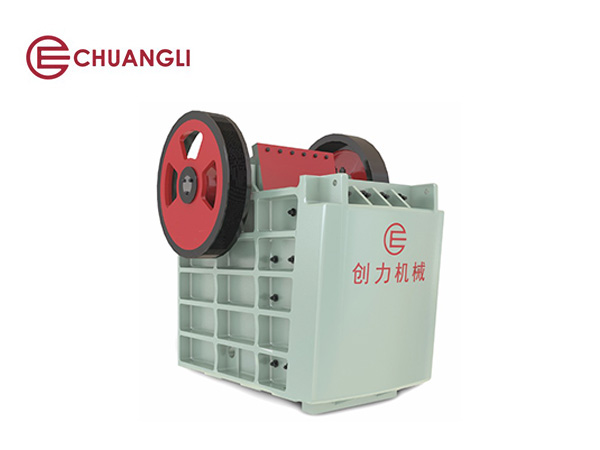
When evaluating equipment for a crushing circuit, buyers generally choose between two primary mechanical designs. Your ideal choice depends entirely on rock compressive strength and daily throughput requirements.
In a single-toggle configuration, the eccentric shaft sits at the very top of the swing jaw. The jaw is suspended directly on this shaft. As it rotates, the jaw moves in a dual motion. It moves back and forth, as well as up and down.
This aggressive, elliptical motion provides higher throughput capacity compared to older designs. The vertical movement literally forces material through the chamber. Specifically, these machines are lighter, more compact, and require a lower initial capital investment. They fit perfectly into general aggregate production, limestone quarries, medium-hard ores, and mobile crushing plants where weight is a primary constraint.
In contrast, the double-toggle design features a swing jaw suspended on a separate pivot shaft, rather than directly on the eccentric shaft. The eccentric shaft drives a pitman, which then moves two toggle plates to push the swing jaw forward. Consequently, the jaw motion remains almost entirely horizontal. It lacks the vertical grinding action seen in single-toggle models.
Because there is minimal vertical rubbing against the rock, wear and tear on the expensive manganese jaw plates drops drastically. Engineers specify these machines for extreme durability. They remain the go-to choice for extremely hard, tough, and highly abrasive materials like ferroalloys, quartzite, and high-grade iron ore. In these applications, wear part costs would otherwise paralyze a plant operating budget.
Feature | Single-Toggle | Double-Toggle |
|---|---|---|
Crushing Motion | Elliptical Horizontal and Vertical | Strictly Horizontal |
Capacity Throughput | Higher | Lower to Moderate |
Wear Plate Lifespan | Moderate due to rubbing action | Extended due to less rubbing |
Capital Cost | Lower | Higher |
Ideal Application | Limestone, Granite, Demolition Recycling | Quartzite, Ferroalloys, Hard Ores |
The inherent versatility of these primary crushers allows them to serve as foundational equipment across multiple heavy industries. Understanding how they operate in varied environments helps procurement teams select the correct configuration.
Extracted ores from underground and open-pit mines are massive and unwieldy. The primary crusher serves as the critical first step in mineral liberation. It breaks down large blocks of iron, copper, and gold-bearing quartz. This prepares the material for secondary grinding in SAG or ball mills. In these harsh environments, reliability is paramount. A failure at the primary crusher effectively halts your entire extraction process.
Commercial quarries extract hard rock such as granite, basalt, and limestone for the construction sector. The primary crusher reduces these blasted rocks into manageable sizes that feed seamlessly into secondary cone crushers. The plant eventually screens and classifies the output into base materials used for road infrastructure, ready-mix concrete production, and asphalt blending.
The global emphasis on circular economies has triggered a boom in recycling old infrastructure. Mobile track or wheel-mounted units process concrete slabs, bricks, and asphalt chunks directly at demolition sites. In practical terms, demolition waste is heavily laced with steel rebar. Therefore, you must equip the discharge conveyor with a high-strength overband magnetic separator. This ensures the steel is pulled out before it destroys your downstream secondary crushers.
Beyond natural stone, facilities utilize these crushers to process industrial byproducts. Smelting slags, carbide, and various chemical blocks require routine recycling. Because these materials act exceptionally hard and abrasive, you need heavy-duty configurations to process them efficiently without incurring excessive downtime.
Selecting a crusher is a complex, bottom-of-funnel decision. Buying a machine that is too small creates a permanent bottleneck. Buying one that is oversized wastes capital and drains electrical power. Here are the empirical rules for your selection process.
The most fundamental specification is the feed opening size, known as the gape. If the rocks dumped from your loader cannot physically fit into the machine, production stops immediately. As engineers, we rely heavily on the 80 Percent Rule. The largest rock fed into the chamber should never exceed 80 percent of the gape width.
For example, the PE1500 Jaw Crusher features a massive 1200 by 1500 mm feed opening. Applying the rule, this model comfortably handles raw blasted rocks up to 1000 mm. Adhering to this guideline prevents material bridging, drastically reduces blockages, and ensures an uninterrupted flow of material.
Capacity is universally measured in tons per hour. Your primary crusher must match or slightly exceed the capacity of your secondary circuit. If your primary unit produces 500 tons per hour but your secondary cone crusher only handles 300 tons per hour, you will experience severe material overflow. Conversely, an undersized primary unit leaves secondary equipment running empty, which wastes immense amounts of electrical energy. A robust primary unit can process anywhere from 400 to 800 tons per hour. Always calculate your required output with a 15 percent margin for operational inefficiencies and weather delays.
Not all rocks fracture the same way. The compressive strength of the material dictates the required robustness of the machine frame and bearings. Soft to medium rocks like limestone are easily processed by standard single-toggle machines. However, highly abrasive rocks like basalt or quartzite demand heavy-duty frames, larger flywheels to generate increased kinetic energy, and specialized metallurgy.
The Closed Side Setting, or CSS, is the narrowest distance between the two jaw plates at the bottom of the chamber during the cycle. The CSS directly controls the maximum size of your discharged material. Adjusting this setting is critical for optimizing the entire plant. If you set the CSS too wide, the output rocks remain too large, placing undue stress on the secondary crusher. A standard heavy-duty model allows a CSS adjustment range from 150 mm to 300 mm. Modern machines utilize hydraulic wedge adjustments. This allows operators to change the CSS safely and quickly without hammering manual shims.
Primary crushers draw massive amounts of electrical current, especially during cold startups. You must rigorously evaluate the motor rating against your site electrical infrastructure. Driving a high-capacity machine typically requires a motor between 200 kW and 280 kW. Installing a motor of this size requires heavy-duty transformers and soft-start electrical panels to prevent grid voltage drops. Evaluating the energy efficiency is vital for projecting long-term operational expenditures.
The initial purchase price of a crusher is merely a fraction of its total lifecycle cost. The continuous consumption of wear parts represents a major ongoing expense that you must manage.
Standard carbon steel simply cannot withstand the abrasive forces of crushing rock. Industry standards dictate the use of austenitic high-manganese steel, typically containing 14 to 18 percent manganese. The unique metallurgical property of manganese steel is its ability to work-harden. As rocks repeatedly strike the plates, the outer surface physically alters and becomes highly wear-resistant. Meanwhile, the inner core remains ductile, allowing it to absorb massive impact shocks without shattering.
Furthermore, jaw plates feature specific tooth profiles engineered for distinct rock types. A corrugated profile works excellently for gravel and non-abrasive rock. A flat profile is deployed for highly abrasive materials to prevent rapid wear on the tooth peaks. Heavy-duty sharp teeth are designed specifically for slabby rock, ensuring the material fractures cleanly rather than sliding up the chamber.
Procurement managers should avoid the temptation of purchasing cheap, uncertified aftermarket wear parts. Investing in premium metallurgical components extends maintenance intervals. Reducing the frequency of plant shutdowns directly increases the total tonnage processed per month, drastically improving your overall return on investment.
A primary crusher does not operate in a vacuum. Its true efficiency depends entirely on how seamlessly it integrates with auxiliary equipment. Visualizing the entire system via a jaw crusher parts diagram helps operators understand how material flow impacts internal wear.
To achieve maximum throughput, you must deliver material consistently. Vibrating grizzly feeders sit ahead of the crusher. The grizzly section consists of heavy, spaced bars that allow dirt, fines, and already-small rocks to bypass the crusher entirely. By removing these fines, you prevent the crushing chamber from packing. This dedicates 100 percent of the machine kinetic energy to breaking large rocks.
Engineers strongly advocate for a practice known as choke feeding. This involves keeping the crushing chamber consistently full of material right up to the gape. A full chamber increases inter-particle crushing, where rocks crush against other rocks. It also ensures even wear across the entire face of the jaw plates. To achieve this, plants must utilize adequately sized dump hoppers and surge piles to buffer the intermittent delivery of rock from haul trucks.
Even the most robustly engineered machinery requires rigorous maintenance to prevent catastrophic failures. Plant managers must enforce strict preventative maintenance protocols to protect their investment.
Before starting the motor, operators should conduct a physical inspection. Check for loose foundation bolts, inspect the V-belt tension, and ensure no tramp iron is wedged in the chamber. During operation, monitoring the temperature of the main eccentric shaft bearings is critical. Abnormal heat is an immediate indicator of a lack of lubrication or impending bearing fatigue.
The extreme forces generated inside the machine place immense pressure on the bearings and the toggle plate seats. Adhering to a strict jaw crusher maintenance guide regarding lubrication is non-negotiable. Greasing these components according to the exact schedule using the correct grade of lithium or molybdenum-based grease ensures metal-on-metal contact is minimized.
Because the crushing action is most severe near the discharge opening, the lower half of the jaw plates wears out much faster than the top half. To maximize the lifespan of these expensive parts, maintenance crews should practice flipping the dies. Once the bottom section shows significant wear, unbolt the plate, turn it upside down, and reinstall it. This simple, practical step effectively doubles the operational life of the wear part, significantly lowering the overall cost per ton.
Your primary jaw crusher dictates the efficiency, profitability, and smooth operation of your entire crushing circuit. When evaluating your options, look far beyond the initial purchase price. Carefully consider capacity alignment, feed size rules, wear part durability, and motor power requirements.
Proper maintenance and the strategic use of premium wear parts will extend the lifespan of your equipment and protect your bottom line. If you need a machine engineered for extreme conditions, exploring high-capacity solutions is mandatory for long-term success.
Stop letting an undersized primary crusher bottleneck your plant production. Visit Chuangli Crushers today to review exact machine specifications, download technical diagrams, and consult with our engineering team to find the perfect primary crushing solution for your specific application.
Jaw crushers are designed for the primary crushing of large, abrasive rocks, focusing on sheer volume reduction. Cone crushers are utilized for secondary or tertiary crushing, where the goal is to further reduce the size of the rock and refine its shape into a final, marketable aggregate.
CSS stands for Closed Side Setting. It is the smallest distance between the stationary and movable jaw plates at the bottom of the crushing chamber during the crushing cycle. The CSS directly determines the maximum size of the crushed product exiting the machine.
The lifespan varies heavily based on the abrasiveness of the feed material. They can last anywhere from a few weeks when processing highly abrasive metallic ores to several months when crushing softer materials like limestone. Proper selection of manganese steel and practicing plate flipping extends this lifespan.
Yes, but with caution. River gravel is typically smooth, round, and highly abrasive. This makes it difficult to grip and causes rapid wear on standard plates. Specialized tooth profiles like sharp teeth or alternative crushing equipment might be recommended depending on the exact composition of the gravel.
Stalling is usually caused by operator error or material issues. Common culprits include feeding rocks larger than the gape, tramp iron entering the chamber and jamming the jaws, electrical power fluctuations, or running the machine with a completely blocked discharge chute.
The maximum feed size is dictated by the 80 Percent Rule. The largest rock entering the machine should not exceed 80 percent of the gape width. For a heavy-duty machine with a 1200 mm feed opening, the absolute maximum rock size is 1000 mm to prevent bridging and blockages.
Excessive vibration usually points to a mechanical imbalance or foundation failure. It can be caused by loose anchor bolts, uneven wear on the flywheel, bearing fatigue, or a buildup of packed material in the crushing chamber. Immediate inspection is required to prevent structural damage.


