
- All
- Product Name
- Product Keyword
- Product Model
- Product Summary
- Product Description
- Multi Field Search
Views: 0 Author: Site Editor Publish Time: 2026-09-25 Origin: Site


Landfill costs for construction waste are skyrocketing globally. This places immense pressure on project budgets. Hauling heavy concrete and bulky bricks drains your profit margins long before a project wraps up. How do we stop this financial bleed? On-site size reduction is the answer. It eliminates these logistical bottlenecks entirely. In this guide, we explore how upgrading to intelligent crushing technology delivers a superior return on investment. You will also see how it keeps demolition sites strictly compliant with modern environmental standards.
Key Takeaways
Cost Efficiency: Reducing construction and demolition waste size drastically lowers transportation and landfill disposal fees.
The Power of the Jaw Crusher: As an industry-standard primary crusher, this equipment efficiently breaks down tough, abrasive materials like reinforced concrete and masonry.
Smart Technology Advantage: Upgrading to intelligent equipment automates operations, prevents unexpected downtime, and stabilizes daily output.
Circular Economy: Crushed construction waste can be repurposed into recycled aggregates for eco-cement and road base, creating a measurable new revenue stream.
Equipment Selection: Choosing the right high-capacity machinery is critical for meeting municipal environmental standards and strict project deadlines.
Government bodies and municipal environmental impact reports are enforcing stricter waste disposal guidelines across the construction sector. Environmental agencies now require detailed tracking of demolition debris. They heavily penalize the disposal of recyclable materials. The financial burden of transporting uncrushed, bulky waste is escalating quickly. This is driven by rising fuel costs and increased tipping fees at local landfills. For contractors, hauling large slabs of concrete and intact brick walls is a dead-end strategy. Consequently, reducing the physical volume of waste directly on your site is no longer an optional green initiative. It is a strict operational necessity.
Recent industry data reveals a harsh reality for traditional waste management. Global urbanization is accelerating rapidly, and demolition debris is projected to hit unprecedented volumes by 2030. Regulatory bodies are no longer just tracking disposal. They are actively mandating on-site material recovery. Zero-waste-to-landfill policies are becoming standard clauses in municipal contracts. If you want to win federal or city bids today, robust crushing infrastructure is a mandatory prerequisite.
Market demand is actively driving this integration of demolition waste into the circular economy. Waste is no longer classified merely as trash. It is increasingly viewed as a raw material with tangible market value. Academic research and field data indicate that integrating structured, industrialized waste processing yields massive economic benefits. By processing debris through high-performance reduction equipment, companies reintroduce these materials into the supply chain. Ultimately, this shift mitigates environmental impact and reduces our reliance on virgin aggregates extracted from natural quarries.
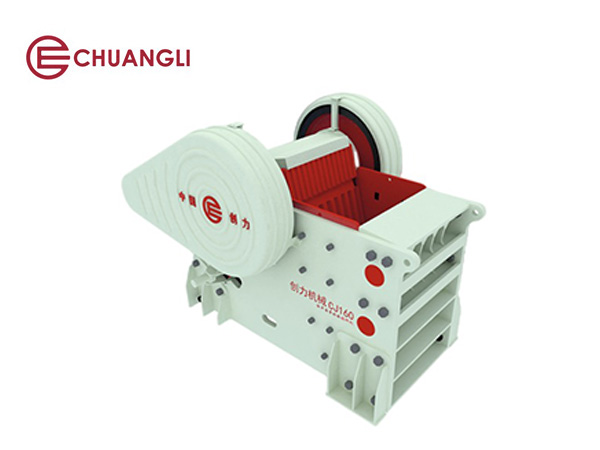
These machines rely on a brutal but highly effective mechanical principle. The core features a V-shaped crushing chamber formed by a stationary jaw plate and a moving swing jaw. Picture a massive concrete pillar dropping into this cavity. The moving jaw aggressively compresses the material against the stationary plate. This sheer compressive force fractures hard debris into manageable pieces. The crushed material then drops through the discharge opening once it reaches the target size. This compressive action saves massive amounts of energy compared to other methods, especially for brittle demolition debris.
Reinforced concrete is a nightmare for demolition crews. Impact-style crushers jam easily. Their rotors suffer catastrophic damage when they hit solid steel. A jaw crusher handles this entirely differently. It fractures the concrete but allows embedded steel rebar to pass through the chamber safely. The cement matrix breaks apart, leaving the rebar loose. This makes it incredibly easy to extract later with a magnet. Beyond that, it processes abrasive asphalt and dense bricks with minimal internal wear.
Selecting the right equipment requires a deep understanding of crushing mechanics. Impact crushers excel at shaping materials into perfect cubes. However, jaw crushers offer vastly superior durability for abrasive primary waste.
Feature | Jaw Crusher | Impact Crusher |
|---|---|---|
Crushing Mechanism | Compressive force | Impact and striking force |
Wear Parts Durability | High durability for abrasive materials | Lower durability due to high blow bar wear |
Rebar Tolerance | Excellent as steel passes through easily | Poor due to severe rotor damage risks |
Primary Application | Primary size reduction of bulky waste | Secondary crushing and aggregate shaping |
Operating Cost | Lower maintenance and parts replacement | Higher maintenance from rapid wear |
Digital technology has completely transformed heavy machinery. Investing in a modern Smart Jaw Crusher brings Internet of Things sensors and automated hydraulics directly to your site. One standout feature is the automated Closed Side Setting adjustment. Forget about manual calibration with heavy hand tools. Operators adjust the discharge gap instantly via a digital touchscreen. This guarantees precise control over your final aggregate size. These intelligent systems continuously monitor temperature, vibration, and hydraulic pressure to provide a complete overview of the machine's health.
Unplanned downtime destroys project timelines. Smart diagnostics predict maintenance needs long before a catastrophic failure happens. Sensors monitor jaw plate wear and critical bearing temperatures. Site managers get instant alerts to schedule maintenance during off-hours. Remote operation capabilities also keep your crew out of hazardous zones. Workers control the crusher from a safe distance, away from dust, noise, and flying debris.
Automated systems optimize internal mechanics to maximize your throughput. The system analyzes motor load and physical material resistance in real-time. It then automatically adjusts the feed rate to prevent blockages. This data-driven approach ensures a consistent output size while slashing energy consumption. Operating at peak efficiency dynamically reduces your cost per ton. This provides a massive improvement in overall project profitability.
Crushed debris is not trash. It is a highly viable substitute for natural virgin aggregates. Properly processed recycled concrete works perfectly as coarse aggregate for eco-cement or foundational road base. By crushing debris to precise specifications, contractors produce certified recycled aggregates. You effectively turn a massive disposal liability into a lucrative commercial asset.
The financial return on investment for on-site crushing becomes obvious when you eliminate logistics fees. Consider this breakdown for a medium-sized demolition project processing one thousand tons of concrete waste:
Cost Category | Traditional Disposal Haul and Dump | On-Site Crushing and Reuse |
|---|---|---|
Transportation Fees | $15,000 for multiple truckloads | $0 as processed on-site |
Landfill Tipping Fees | $50,000 based on average rates | $0 as material is diverted |
Cost of New Aggregates | $15,000 purchasing for backfill | $0 using crushed waste |
Crushing Operation Cost | $0 | $8,000 for fuel, labor, and wear parts |
Net Estimated Expense | $80,000 | $8,000 |
Environmental, Social, and Governance criteria now dictate project approvals. Utilizing on-site size reduction machinery helps contractors comply with local environmental regulations immediately. Projects that recycle a high percentage of their waste earn valuable Leadership in Energy and Environmental Design points. Documenting this diversion from landfills provides empirical data for your corporate sustainability reports.
Selecting industrial equipment requires looking hard at your project specs and long-term goals. For facility managers, this decision impacts capital expenditure and ongoing operating expenses heavily. A well-matched intelligent crushing equipment optimizes throughput and slashes maintenance downtime. Here is how you evaluate your needs like a professional engineer.
Match the physical dimensions of the crushing chamber to your largest debris. As a strict rule of thumb, your maximum feed size must never exceed 85 percent of the crusher gape. Feeding oversized asphalt chunks causes material bridging. This halts production and creates severe safety hazards for operators trying to clear it.
Calculate capacity in tons per hour based on peak loading phases, not just daily averages. Demolition feeding is highly intermittent. Always select a machine with a 20 percent higher capacity than your theoretical average need. This ensures your workflow survives heavy loading spikes.
Track-mounted mobile crushers dominate urban demolition projects. They process materials directly at the demolition face, eliminating initial transportation entirely. Stationary plants serve as the robust backbone of dedicated recycling yards where material is hauled in continuously.
Evaluation Criteria | Track-Mounted Mobile Crusher | Stationary Crushing Plant |
|---|---|---|
Primary Application | On-site demolition projects and short-term contracts. | Dedicated recycling facilities and permanent yards. |
Setup Time | Minimal. Operational within hours of arrival. | Extensive. Requires civil engineering and concrete foundations. |
Power Source | Diesel-hydraulic or diesel-electric hybrids. | Typically connected directly to the municipal electrical grid. |
Transport Costs | Eliminates hauling uncrushed waste entirely. | Requires continuous hauling of bulky waste to the facility. |
Processing abrasive asphalt subjects crushing equipment to extreme mechanical stress. Pay close attention to the metallurgical composition of the jaw plates. High-manganese steel is the preferred industry standard due to its unique work-hardening properties. As debris repeatedly impacts the plate, the steel surface hardens while the core remains ductile. This prevents brittle fractures.
Structural design must also facilitate safe maintenance. Look for features like hydraulic wedge adjustments and easily replaceable toggle plates. These details significantly reduce the labor hours required for routine servicing.
Facility operators need maximum return on investment. The CJ High-Capacity Smart Jaw Crusher delivers exactly that. It is engineered specifically for unyielding demolition environments. This equipment transforms bulky concrete and masonry into uniform, reusable aggregates that meet strict structural requirements.
The foundation of the CJ series is its heavy-duty, non-welded frame construction. This specific design eliminates the stress concentrations that cause structural fatigue in older, welded models. It boasts an aggressive nip angle and a massive crushing ratio. The machine efficiently reduces large feed sizes down to optimal dimensions in a single pass, handling capacities that can easily exceed hundreds of tons per hour depending on the model.
Uncrushable materials like heavy steel rebar are no longer a project-stopping problem. The smart hydraulic system detects pressure spikes instantly. When it senses an uncrushable object, the hydraulic cylinders open the discharge gap automatically. The rebar passes safely, and the machine resets to its predefined setting without manual intervention. Operators no longer need to hammer out jammed debris manually.
The advanced smart-control panel allows operators to monitor real-time performance metrics. You see motor load, hydraulic pressure, and bearing temperatures instantly. This shifts your maintenance from a reactive panic to a predictive strategy. Field data proves that this automated system lowers daily operational costs and significantly increases daily throughput compared to traditional mechanical models.
Primary crushing is just the first phase. To create market-ready recycled aggregates, you must integrate sorting and screening into your workflow. Once material exits the discharge conveyor, it is a mixed bag of concrete, steel, and wood splinters. A structured workflow purifies this mix.
Magnetic Separation: Pass the crushed material under an overband magnetic separator first. The compressive force shatters the concrete and frees the steel. The magnet easily pulls the rebar out. You can then sell this scrap metal, adding a lucrative secondary revenue stream to your operation.
Screening Stations: Transport the remaining aggregate to a vibratory screen. Separate the material into specific size fractions like 0 to 10 millimeters or 10 to 20 millimeters. This step is mandatory to meet strict construction standards for road sub-base.
Static Picking Stations: For high-purity requirements, incorporate static picking stations. Air classifiers or manual operators remove lightweight contaminants like plastics, gypsum, and wood. Establishing this complete recycling loop ensures you produce certified materials ready for commercial sale.
Volume reduction is a strict financial necessity today. It keeps your company compliant and completely bypasses exorbitant hauling fees. Upgrading your workflow with a modern Smart Jaw Crusher lowers daily operational costs through intelligent automation and predictive maintenance. Stop letting logistical bottlenecks eat your profit margins. Evaluate your current waste management expenses right now. Visit Chuangli Crushers to explore high-capacity solutions and secure better profitability for your next demolition project.
Based on mechanical design and field performance, a jaw crusher is the optimal primary crusher for demolition waste. Its V-shaped crushing chamber and compressive force mechanism allow it to shatter large, highly abrasive materials like reinforced concrete and asphalt. It does this without experiencing the rapid wear-and-tear that destroys impact crushers.
Traditional models rely heavily on manual adjustments and mechanical safety toggles. This leads to prolonged downtime. A smart model integrates automated hydraulics and remote monitoring capabilities. It automatically adjusts the discharge gap to maintain consistent product size. It also provides predictive maintenance alerts based on bearing temperatures and automatically clears uncrushable debris to prevent operational halts.
Yes. Heavy-duty crushers are specifically engineered to process reinforced concrete. The compressive action shatters the brittle concrete while simultaneously loosening the ductile steel rebar. As the material exits the crushing chamber, the rebar is exposed. It can then be efficiently extracted from the material stream using a downstream magnetic separator.
Empirical cost analyses consistently show that on-site crushing is significantly more cost-effective for medium to large-scale projects. Hauling uncrushed concrete incurs massive transportation fees due to the sheer volume and weight of the debris. You also face escalating landfill tipping taxes. Crushing on-site eliminates these disposal costs entirely and provides free recycled aggregate for immediate reuse.
The output size is determined by the machine's closed side setting. This is fully adjustable based on your specific project needs. Typically, a primary crusher reduces large demolition chunks exceeding 24 inches in diameter down to a coarse aggregate size ranging from 4 to 6 inches. This output is ready for immediate use as rough fill or can be fed into a secondary crusher for finer processing.
The lifespan heavily depends on the abrasiveness of the material and the specific metallurgical composition of the plates. High-manganese steel plates processing standard demolition concrete typically last anywhere from 300 to 600 operating hours. Utilizing smart feed controls and ensuring a steady, non-choked feed rate significantly extends this wear life.
Capacity varies drastically based on the machine size and the closed side setting. Compact mobile units might process 50 to 150 tons per hour. However, high-capacity industrial models engineered for heavy demolition can easily process between 300 and 800 tons per hour. Always match the machine's rated capacity to your peak loading requirements.


