
- All
- Product Name
- Product Keyword
- Product Model
- Product Summary
- Product Description
- Multi Field Search
Views: 0 Author: Site Editor Publish Time: 2026-09-05 Origin: Site


A halted primary crusher essentially stops your entire processing plant. Traditional machines often cause inflated maintenance costs and unwanted downtime. This forces site managers to scramble for quick mechanical fixes while production targets slip away. Modern aggregate and mining sites require highly reliable equipment to maintain steady, predictable output. In this guide, you will learn exactly how these machines operate and the mechanics behind their brute power. We will also explore why upgrading to a High-Efficiency Jaw Crusher is rapidly becoming the industry standard for profitable, high-yield operations.
Primary Function: Jaw crushers act as the frontline equipment in material processing. They are specifically engineered for the primary size reduction of hard, abrasive minerals and demolished concrete.
Mechanical Simplicity and Power: These machines utilize immense compressive force. This force is generated between a fixed and a moving jaw plate to fracture massive rocks within a V-shaped cavity.
Efficiency Matters: Transitioning to advanced equipment significantly boosts production capacity. It also optimizes the electrical power draw per ton of processed material.
Versatile Applications: They serve as the foundational step for deep-pit mining, aggregate production, metallurgy, and sustainable construction recycling.
Maintenance is Key: Systematic operation and the proactive replacement of wear components are strictly required to sustain long-term operational viability.
A jaw crusher is a heavy-duty, compression-type machine designed to reduce large, solid rocks and raw ores into smaller, uniform fragments. As one of the most established types of crushing equipment globally, it operates on a straightforward yet brutally effective mechanical principle. It applies immense, localized pressure to a material until its internal structural integrity fails.
To visualize its basic function, consider the mechanics of a heavy-duty nutcracker. A nutcracker uses two levers to apply targeted compressive force to a hard shell until it shatters. A jaw crusher scales this exact principle to a massive industrial level. It utilizes two corrugated, heavy-duty metal plates to crush boulders that possess extremely high compressive strength.
From an industry perspective, recent search trends and market reports highlight a distinct shift in mineral processing. Current trajectories show a clear pivot toward energy optimization and smart automation. With electricity prices fluctuating and environmental regulations tightening, quarry managers are actively phasing out legacy equipment. The industry consensus now heavily favors advanced primary crushers that integrate optimized kinematic designs. This engineering approach ultimately lowers the carbon footprint per ton of aggregate produced while maximizing plant uptime.
In a standard material processing circuit, this machine handles the very first stage of size reduction right after materials are extracted from a quarry face or blast site. Its primary objective is not to produce a finalized, marketable gravel. Instead, it reduces oversized, jagged boulders into manageable dimensions. Once the material passes through this initial stage, conveyors transport it to secondary or tertiary crushers for further shaping and refinement.
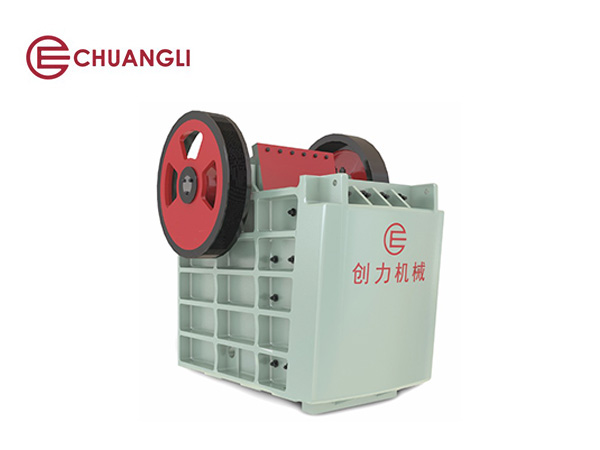
The successful operation of this equipment relies on a precise, continuous interplay of kinetic energy, mechanical leverage, and gravity. Understanding these forces is essential for any plant manager looking to eliminate bottlenecks and optimize throughput.
The crushing cavity is the internal chamber where the actual rock fracturing occurs. Operators peering into the hopper will notice a distinct V-shape. This geometry is formed by the stationary jaw plate, which is securely bolted to the front frame, and the movable jaw plate, which aggressively articulates. The wide opening at the top easily accepts large, irregular feed materials. As the space gradually narrows toward the bottom, the material is progressively crushed and falls deeper into the chamber under the natural pull of gravity.
The kinetic movement of the machine is driven by a massive, precision-machined eccentric shaft. As the electric motor rotates this shaft via heavy V-belts, it imparts a specific elliptical motion to the movable jaw.
Compression Stroke: The movable jaw thrusts forward and slightly downward. This aggressive action pins the rock against the stationary jaw. The pressure exceeds the yield strength of the stone and causes it to shatter instantly.
Release Stroke: The movable jaw then retreats slightly backward. This momentary widening of the cavity allows the newly fragmented pieces of rock to drop further down the V-shaped chamber.
This violent cycle repeats hundreds of times per minute. Consequently, it ensures a continuous, high-volume flow of progressively smaller material.
At the very bottom of the crushing cavity lies the discharge opening, technically referred to in the industry as the Closed Side Setting. This setting represents the absolute smallest distance between the two jaw plates during the crushing cycle. Adjusting this gap is the primary method operators use to dictate the maximum output size of the crushed rock. Narrowing the gap produces a finer output but restricts total throughput. Widening it significantly increases capacity but yields much larger rock fragments that secondary crushers must then handle.
A primary crusher is subjected to extreme mechanical stress and highly abrasive wear every single day. Therefore, its components must be manufactured from premium, industrial-grade metallurgy designed for maximum durability.
When a 40-ton excavator drops a load of jagged basalt into the hopper, the main frame acts as the ultimate shock absorber. Depending on the manufacturer and model size, these frames are constructed from high-strength cast iron or heavily welded steel plates. The frame must possess immense structural rigidity. It needs to absorb continuous, heavy vibrations without warping or cracking along the weld seams.
The jaw plates are the primary consumable wear parts making direct physical contact with the raw rock. Standard industry practice dictates the use of austenitic manganese steel for these critical components. Manganese steel possesses a unique metallurgical property known as work-hardening. As the corrugated plates endure repeated heavy impacts from crushing stone, their outer surface hardens significantly. This increases wear resistance on the fly, while the inner core remains ductile enough to absorb violent shocks without shattering.
The eccentric shaft acts as the kinetic heart of the machine. Machined from forged alloy steel, it translates the raw rotational energy from the motor into the oscillatory, rock-breaking motion of the movable jaw. Heavy-duty spherical roller bearings support this massive shaft. They ensure smooth rotation while withstanding extreme radial loads and harsh, dusty environments.
Positioned on either end of the eccentric shaft, flywheels are massive cast-iron wheels that serve a critical energetic function. They effectively store kinetic energy during the non-crushing portion of the stroke and release it instantly during the compression stroke. This stored momentum helps the machine power through exceptionally hard rock spikes. It maintains a consistent rotational speed and prevents the motor from stalling under heavy loads.
The toggle plate is a precisely engineered piece of cast iron situated behind the movable jaw. It serves a vital dual purpose. First, it dictates the exact angle and movement path of the lower portion of the jaw. Second, it acts as a fail-safe mechanical fuse. If an uncrushable object like a piece of tramp iron or a broken excavator tooth enters the crushing cavity, the toggle plate is designed to intentionally snap. This immediate fracture halts the crushing action entirely. It protects the far more expensive components, like the eccentric shaft and main frame, from catastrophic damage.
Due to their rugged design and unmatched ability to handle highly abrasive materials, these crushers are foundational across various heavy industrial sectors.
In deep-pit mining operations, these machines are deployed immediately after blasting. They are tasked with processing run-of-mine ores, including notoriously abrasive materials like iron ore, copper ore, and gold-bearing quartz. Their ability to accept massive, irregular feed sizes makes them indispensable for initiating the complex metallurgical extraction process.
The global aggregate industry relies heavily on this equipment to process natural stone into usable commercial construction materials. Operators efficiently break down limestone, granite, basalt, and river gravel. The resulting crushed stone is then screened and further processed to create road base, railway ballast, and the precise aggregate grades necessary for concrete and asphalt mixing plants.
With a growing global emphasis on sustainable construction practices, primary crushers are increasingly utilized in demolition recycling. They are highly effective at chewing through thick concrete rubble, asphalt slabs, and masonry bricks. Many modern units are paired with overband magnetic separators to pull out steel rebar. This allows the crushed concrete to be profitably repurposed as structural fill or certified recycled aggregate.
When evaluating a machine for primary size reduction, industrial buyers must clearly understand the mechanical distinctions between single toggle and double toggle configurations. Both designs utilize the fundamental principle of compression, but their kinematic movements dictate entirely different applications and maintenance schedules.
Feature | Single Toggle Jaw Crusher | Double Toggle Jaw Crusher |
|---|---|---|
Kinematic Motion | Elliptical motion with an aggressive downward push. | Pure pendular compression with minimal downward rubbing. |
Production Capacity | High throughput due to the forced downward material flow. | Lower overall capacity compared to single toggle models. |
Wear Part Lifespan | Moderate. The downward rubbing action increases jaw plate wear. | Excellent. Lack of downward friction preserves expensive manganese dies. |
Ideal Applications | Limestone, sandstone, standard mineral ores, and concrete recycling. | Extremely hard, highly abrasive materials like hard granite and ferroalloys. |
Machine Weight & Cost | Structurally lighter and more compact; lower initial capital investment. | Heavier, more complex mechanical linkage; higher initial cost. |
The single toggle design is the most prevalent configuration in modern aggregate and mining operations today. Because the moving jaw actively assists in dragging the material downward, single toggle crushers generally offer higher throughput capacities and faster processing speeds.
In contrast, the double toggle jaw crusher operates via a much more complex mechanical linkage. This specific design produces a pure, pendular compressive motion with almost no downward vertical rubbing. While this results in a lower overall production capacity, the absence of downward friction significantly reduces the wear and tear on the expensive jaw plates. It remains the preferred choice for processing extremely hard, highly abrasive materials where preserving wear parts is a critical economic factor.
As industrial demands for higher output and lower operational costs intensify, relying on outdated crushing technology often leads to inflated energy bills and restricted daily output. The evolution of crushing technology has led to the development of optimized machinery specifically designed to eliminate dead zones in the crushing cavity.
Take a modern PE1060 High-Efficiency Jaw Crusher as a prime example. Engineered with a massive 1060 by 1200 millimeter feed opening, this specific class of machine routinely pushes high capacities depending on rock density. It provides measurable advantages that directly impact the bottom line of any mining or aggregate operation.
One of the primary engineering advancements in these models is the optimization of the crushing cavity. Traditional crushers frequently suffer from dead zones where material bridging occurs. Advanced models feature a deeper, symmetrically optimized V-shaped cavity. This refined geometry ensures that material is subjected to crushing forces the millisecond it enters the feed opening. A carefully calculated nip angle prevents hard, round rocks from slipping upwards during compression, thereby maximizing bite force and increasing volumetric feeding capacity.
Advanced kinematics also play a crucial role in operational economics. By optimizing the stroke length at the bottom of the chamber, modern units ensure that a greater percentage of the motor's kinetic energy is transferred directly into rock fracturing. This precision means the machine requires noticeably less electrical power, such as a highly efficient 132 kW motor setup, to fracture the same volume of rock. This yields substantial energy savings over the fiscal year.
Procuring capital equipment requires a methodical evaluation of site-specific data. Decision-makers must align machine specifications closely with their actual production goals to avoid creating plant bottlenecks. Evaluating a machine for superior primary crushing performance involves checking several critical parameters.
The most fundamental constraint of any primary crusher is its physical feed opening dimension. As a strict operational rule, the maximum size of the raw material entering the crusher should never exceed 80 to 85 percent of the machine feed opening width. For example, if a machine features a feed opening of 1060 millimeters, the largest boulder introduced should be no larger than 850 millimeters. Forcing oversized material into the chamber inevitably leads to bridging, causing immediate production halts and requiring hazardous manual clearing procedures.
The primary crusher sets the absolute pace for the entire downstream plant. Its output must perfectly align with the processing capacity of the secondary crushers, vibrating screens, and conveyor belts. Installing a primary crusher with a capacity significantly lower than the rest of the plant causes starvation in secondary stages. Conversely, an oversized crusher may rapidly overload downstream equipment if feed rates are not strictly managed by variable speed feeders.
The geological properties of the rock dictate the required robustness of the machine. Compressive strength determines the sheer force required to break the rock, while the silica content determines its abrasiveness. Processing highly abrasive materials like river gravel or quartzite requires a machine with a heavy-duty frame and necessitates the use of premium, high-manganese wear parts to prevent rapid degradation.
Operators must carefully verify the adjustability range of the machine Closed Side Setting. The required output size depends entirely on the maximum acceptable feed size for the subsequent secondary crusher. Modern crushers utilize advanced hydraulic wedge adjustment systems. These offer significantly safer, faster, and more precise modifications compared to traditional, labor-intensive shim plate adjustments.
Even the most robust crushing equipment represents a significant capital expenditure. Protecting this investment requires strict adherence to an empirical, preventative maintenance schedule. Neglecting routine servicing inevitably leads to catastrophic mechanical failures, compromised site safety, and extended production halts.
Routine lubrication is simply non-negotiable. The eccentric shaft and its heavy-duty spherical roller bearings operate under extreme friction, radial loads, and heavy dust. Maintenance teams must use high-quality, manufacturer-specified lithium-based extreme pressure grease. Bearings should typically be greased every 8 to 12 operating hours. Operators must be cautious. Over-greasing can blow out protective seals and attract abrasive grit, while under-greasing leads to rapid, heat-induced bearing destruction.
Jaw plates do not wear evenly. Because the most intense, abrasive crushing action occurs near the bottom of the cavity, the lower sections of the dies degrade much faster than the top. To maximize the economic lifespan of these expensive manganese components, operators should systematically flip the jaw plates once the lower section shows 30 to 50 percent wear. Operating a machine with severely worn plates alters the nip angle, drastically decreases capacity, and transfers dangerous levels of stress to the main frame.
Monitoring mechanical tension is also vital. The tension rod and spring assembly keep the toggle plate seated firmly in its grooves during the violent release stroke. If the tension is too loose, the toggle plate may dislodge, or the machine will exhibit severe, damaging knocking sounds. Routine checks must verify that the tension spring is compressed to the exact specifications outlined in the operation manual.
A jaw crusher remains an indispensable asset for primary material reduction across the mining, aggregate, and recycling sectors. Selecting the correct equipment configuration ensures highly steady production rates and protects downstream machinery from excessive wear.
While the fundamental mechanics of compression crushing have existed for decades, modern engineering has transformed these machines. Upgrading lowers energy consumption, minimizes unwanted downtime, and maximizes volumetric throughput. By carefully evaluating your specific operational requirements and committing to rigorous routine maintenance, you secure a strategic investment that supports long-term industrial processing success safely and profitably.
Ready to eliminate bottlenecks and lower your cost per ton? Explore the full range of heavy-duty solutions at Chuangli Crushers and find the perfect high-efficiency primary crusher to match your exact project parameters today.
Jaw crushers are utilized primarily for the first stage of material reduction, utilizing brute compression to break large, coarse boulders into manageable pieces. Cone crushers, on the other hand, are typically deployed in secondary or tertiary stages. They use an eccentric rotating mantle to crush smaller rocks into the finer, more cubical end products strictly required for concrete and asphalt aggregate specifications.
These robust machines are engineered to process almost any hard, friable material. Common industrial applications include crushing tough granite, basalt, quartz, iron ore, copper ore, limestone, and recycled construction materials such as reinforced concrete slabs and asphalt rubble.
Uneven or oversized output is generally caused by two main factors. The first is severely worn jaw plates that have lost their gripping corrugated profile. The second is an improperly calibrated Closed Side Setting. Routine visual inspection of wear parts and regular hydraulic or shim adjustments will quickly resolve this sizing issue.
The discharge gap is adjusted by changing the angle and positioning of the toggle plate. Traditional legacy models require operators to manually insert or remove heavy steel shim plates behind the toggle block. Modern high-efficiency models employ hydraulic wedge systems, allowing operators to widen or narrow the gap safely and precisely via a push-button control panel in a matter of minutes.
The crushing ratio is a standard engineering metric used to evaluate the efficiency of size reduction. It is calculated by dividing the maximum size of the incoming feed material by the size of the outgoing crushed material. A higher crushing ratio indicates that the machine is capable of more significant, aggressive material size reduction in a single pass.
Replacement frequency is not based on a set calendar timeframe but rather on the specific abrasiveness of the material being processed and total operating hours. Processing soft limestone may allow plates to last for several months or more. Conversely, crushing highly abrasive materials like high-silica quartzite may necessitate replacement every few weeks. Regular visual inspections by maintenance staff are required to determine exact replacement schedules.
The maximum feed size is entirely dependent on the specific model's feed opening dimensions. As a general engineering rule, the largest rock fed into the chamber should not exceed 80 to 85 percent of the feed opening width. This prevents material bridging and ensures a smooth, uninterrupted crushing cycle.
Operational costs vary widely based on electricity rates, material abrasiveness, and daily operating hours. The primary expenses include electrical power consumption, routine lubrication, and the periodic replacement of consumable wear parts like manganese jaw dies and toggle plates. Upgrading to a highly efficient model significantly reduces the cost per ton by optimizing power draw and extending wear part longevity.


