
Views: 0 Author: Site Editor Publish Time: 2026-03-02 Origin: Site


Are you struggling to choose the right jaw crusher for your project? Selecting the correct size is crucial for efficiency and cost-effectiveness. Jaw crushers play a vital role in the mining and construction industries, breaking down large rocks into manageable sizes.
In this article, you'll learn how to size a jaw crusher effectively. We’ll explore key factors that impact your choice and provide practical tips for optimal performance.
Jaw crushers are essential in breaking down large rocks into smaller, manageable pieces. They utilize a V-shaped cavity structure, where one jaw is stationary while the other moves back and forth. This movement creates a compressive force that crushes the material between the jaws.
● Crushing Process: As the movable jaw approaches the stationary jaw, the material is crushed. When the movable jaw moves away, the crushed material is discharged from the bottom. This cycle continues, allowing for efficient processing of various materials.
● Size Reduction: The design of the jaws enhances the crushing action, ensuring that even the hardest rocks can be broken down effectively. This is particularly important in industries where material size significantly impacts processing efficiency.
The effectiveness of a jaw crusher lies in its ability to handle a variety of materials. For instance, it can crush hard rocks like granite and basalt, as well as softer materials like limestone. This versatility makes it a preferred choice in many applications.
Jaw crushers find use in multiple industries, each benefiting from their unique capabilities. Here are some key applications:
● Mining: In mining operations, jaw crushers are used to reduce ore into smaller sizes for further processing. They play a crucial role in extracting valuable minerals efficiently.
● Construction: In construction, these crushers help in recycling concrete and asphalt. They break down old structures, making it easier to reuse materials in new projects.
● Recycling: Jaw crushers are vital in recycling facilities, where they process various waste materials. Their ability to handle mixed debris makes them ideal for this purpose.
● Demolition: During demolition projects, jaw crushers are used to crush large pieces of concrete and other materials. This allows for easier transportation and disposal.
Brands like CHUANGLIII have tailored their jaw crushers to meet the diverse needs of these industries. Their equipment is designed for both stationary and mobile operations, ensuring flexibility in various operational scenarios.
Industry |
Application Example |
Mining |
Reducing ore for mineral extraction |
Construction |
Recycling concrete and asphalt |
Recycling |
Processing mixed waste materials |
Demolition |
Crushing concrete structures for disposal |
The adaptability of jaw crushers allows them to be integrated into different processing lines. Whether it's a stationary setup in a mining site or a mobile unit for on-site recycling, these machines deliver consistent performance.
In summary, understanding the basic concepts of jaw crushers helps in selecting the right model for specific needs. Their working principle and wide range of applications make them indispensable in modern industry.
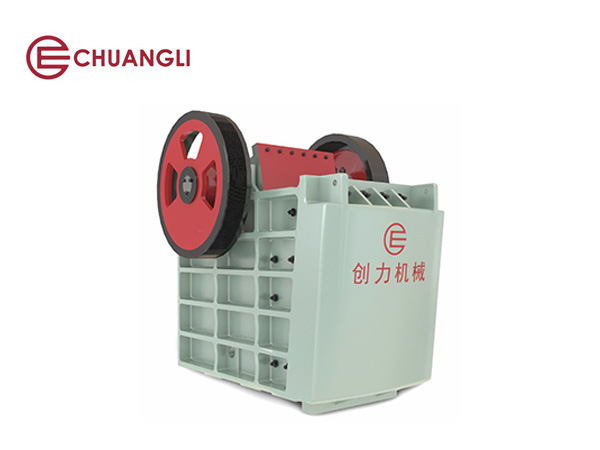
Understanding maximum feed size is essential for the efficient operation of a jaw crusher. It refers to the largest size of material that can be fed into the crusher without causing blockages. If the feed size exceeds this limit, it can lead to operational issues, including:
● Blockages: Oversized materials can jam the crushing chamber.
● Inefficiency: It may reduce throughput and increase wear on components.
To calculate the maximum feed size, we often use the 80% rule. This rule states that the maximum feed size should be approximately 80% of the jaw crusher’s gape. For example, if the gape is 24 inches, the maximum feed size should be around 19.2 inches. Adhering to this guideline helps maintain optimal performance.
The Closed-Side Setting (CSS) is a critical factor in determining the final product size produced by a jaw crusher. CSS is the smallest distance between the movable and stationary jaws when they are closest together.
● Role in Sizing: A smaller CSS produces finer material, while a larger CSS yields coarser material.
● Selection: To select the appropriate CSS, consider the target product size required for your application. For instance, if you need a 1-inch product, ensure your CSS is set accordingly.
Brands like CHUANGLIII provide specifications that guide users in setting the CSS based on the desired output. Their jaw crushers are designed to accommodate various settings, ensuring flexibility for different applications.
Calculating production capacity in tons per hour (tph) is vital for understanding how much material a jaw crusher can process. This calculation considers several factors:
● Jaw Width: Wider jaws typically allow for higher throughput.
● CSS: The closed-side setting also impacts the overall capacity. A tighter CSS may slow down production.
To illustrate, let’s look at CHUANGLIII's product line. The CJ Series and PE Series models have different capacities based on their design:
Model |
Jaw Width (inches) |
Maximum TPH |
CSS Range (inches) |
CJ Series |
36 |
200 |
1.5 - 6.0 |
PE Series |
24 |
100 |
1.0 - 4.0 |
Knowing these specifications helps you choose the right model based on your tonnage needs. For example, if your operation requires processing 150 tph, selecting a model with a capacity exceeding that ensures you meet production goals without strain.
By keeping these three golden rules in mind—maximum feed size, desired product size, and tonnage requirements—you’ll be well-equipped to size a jaw crusher effectively. It’s about finding the right balance to ensure efficient and productive operation in your specific application.
Choosing the right jaw crusher begins with understanding the hardness of the materials being processed. The hardness level influences not only the type of jaw crusher you need but also its operational efficiency and maintenance requirements.
● Soft Materials: Materials like limestone, clay, and gypsum generally fall on the softer end of the hardness spectrum. These materials are easier to crush and can be handled effectively by standard jaw crushers. Typically, these crushers can process softer materials without significant wear and tear on their components.
● Hard Materials: For harder rocks such as granite, basalt, and quartz, a more robust jaw crusher is essential. CHUANGLIII offers heavy-duty models specifically designed to withstand the challenges posed by these materials. Their crushers feature reinforced structures and advanced jaw designs to ensure durability and consistent performance.
Understanding the hardness of materials can be simplified using the Mohs hardness scale, which ranks minerals from 1 (softest) to 10 (hardest). Here's a quick overview of common materials and the corresponding jaw crusher recommendations:
Material |
Mohs Hardness |
Jaw Crusher Recommendation |
Talc |
1 |
Standard Jaw Crusher |
Limestone |
3-4 |
Standard Jaw Crusher |
Granite |
6-7 |
CHUANGLIII Heavy-Duty Model |
Quartz |
7 |
CHUANGLIII Heavy-Duty Model |
Diamond |
10 |
Specialized Industrial Equipment |
This table helps you identify the appropriate jaw crusher based on the hardness of the material. For instance, if you're dealing with granite, opting for a CHUANGLIII heavy-duty model ensures that the equipment can handle the stress of crushing such hard material without compromising efficiency.
Moisture content and chemical composition are crucial factors that can significantly impact the performance of a jaw crusher. High moisture levels can lead to various operational challenges, including:
● Clumping and Blockages: Wet materials tend to clump together, which can cause blockages in the crushing chamber. This can lead to downtime and increased maintenance costs.
● Increased Wear and Tear: Moisture can accelerate the wear of the crusher's components. If the material contains corrosive elements, such as salt or acids, this can further exacerbate the problem, leading to premature failure of critical parts.
To address these challenges, CHUANGLIII offers customized configurations for their jaw crushers. These configurations may include:
● Enhanced Sealing Systems: To prevent moisture ingress, which can lead to corrosion and damage.
● Material Upgrades: Using high-grade steel or other corrosion-resistant materials to withstand harsh conditions.
● Design Modifications: Adjusting the jaw design to facilitate better material flow, reducing the likelihood of clumping.
The chemical composition of the material also influences the choice of jaw crusher. For example:
● Corrosive Components: Materials containing high levels of chlorides or acids require specialized equipment. CHUANGLIII provides models that are specifically designed to handle these corrosive materials, ensuring longevity and reliable performance.
Material Type |
Moisture Level |
Recommended Features |
Sandstone |
Low |
Standard Jaw Crusher |
Clay |
High |
CHUANGLIII’s Customized Design |
Salt-containing |
Moderate |
Corrosion-resistant Materials |
Acidic Materials |
Variable |
High-grade Steel Construction |
By understanding the influence of material properties such as hardness, moisture content, and chemical composition, you can make informed decisions about the right jaw crusher for your application. It’s about aligning the equipment with the unique characteristics of the materials to ensure optimal performance and durability, ultimately leading to more efficient operations and lower costs.

When sizing a jaw crusher, the site environment plays a crucial role in ensuring optimal performance. Compatibility with existing structures and equipment integration should be at the forefront of your planning.
● Space Constraints: Evaluate the available space for installation. A stationary jaw crusher requires a solid foundation and adequate room for maintenance access. In contrast, mobile setups offer flexibility and can be relocated as needed.
● Integration with Existing Equipment: Consider how the jaw crusher will fit into your current processing line. It should seamlessly integrate with other machinery, such as feeders and conveyors, to maintain workflow efficiency.
● Environmental Factors: Factors like dust control, noise levels, and weather conditions can affect equipment choice. For instance, if you're operating in a dusty environment, selecting a model with effective dust suppression features is essential.
Consideration |
Stationary Setup |
Mobile Setup |
Space Requirements |
Requires more space for installation |
Compact and flexible |
Integration |
Needs alignment with existing systems |
Can adapt to various configurations |
Environmental Impact |
May require additional mitigation measures |
Often designed for outdoor conditions |
Planning for future production growth is vital when selecting a jaw crusher. As demand increases, you want equipment that can scale with your operations.
● High-Capacity Models: Investing in high-capacity models, such as CHUANGLIII's CJ Series, is a smart move for businesses anticipating growth. These models are designed to handle larger volumes without sacrificing performance.
● Modular Design: Look for jaw crushers that offer modular designs. This allows for easy upgrades and modifications as production needs change. You can add components or adjust settings without needing a complete overhaul.
● Scalability: Understanding your long-term production goals helps determine the right size and type of jaw crusher. If you expect significant increases in demand, opt for models that can accommodate higher throughput.
Model Series |
Capacity (tph) |
Key Features |
CHUANGLIII CJ Series |
Up to 600 |
High durability, scalable design |
CHUANGLIII PE Series |
Up to 300 |
Versatile applications, easy maintenance |
By considering both the site environment and future production growth, you can make a well-informed decision about the jaw crusher that best fits your needs. It’s not just about immediate requirements; it’s about ensuring that your investment serves you well for years to come. This holistic approach can save you time and money while maximizing efficiency in your operations.
A: The best choice depends on application needs, material hardness, and desired output size. For hard materials, a robust model like CHUANGLIII’s heavy-duty series is recommended.
A: Regular maintenance, proper feed size, and optimal closed-side settings enhance efficiency. CHUANGLIII recommends monitoring wear parts and ensuring adequate lubrication.
A: Reputable brands include CHUANGLIII, known for its durable and efficient models, along with other established manufacturers providing reliable equipment tailored to various applications.
A: Factors include maximum feed size, desired product size, material hardness, moisture content, and tonnage requirements. Each of these influences the crusher's design and operational efficiency.
A: The right CSS is determined by the target product size. It should be set based on the material characteristics and desired output, with CHUANGLIII providing guidelines for optimal settings based on specific applications.
Selecting the right size of a jaw crusher involves several key factors. Consider maximum feed size, desired product size, and material characteristics.
Choosing the appropriate model based on actual needs is crucial for efficiency.
Consulting experts like CHUANGLIII can provide tailored solutions to meet specific requirements. Making informed choices ensures optimal performance and longevity of your equipment.


