
- All
- Product Name
- Product Keyword
- Product Model
- Product Summary
- Product Description
- Multi Field Search
Views: 0 Author: Site Editor Publish Time: 2026-09-09 Origin: Site


Every year, millions of tons of construction waste choke municipal landfills. Meanwhile, contractors bleed thousands of dollars in excess transportation and disposal fees. The construction and demolition industry is undergoing a massive shift towards sustainability. This shift makes on-site recycling more profitable and essential than ever. At the heart of this transformation is primary crushing equipment. These powerhouse machines are designed to break down large, unforgiving materials into manageable, reusable aggregates.
Looking at current industry trends, the global push for circular economy practices is reshaping demolition workflows. Urban landfill capacities are shrinking rapidly. Municipalities are enforcing stricter environmental mandates and levying heavy carbon taxes on waste transport. This regulatory pressure has triggered a surge in demand for mobile processing plants. Contractors now realize that treating demolition debris as a resource rather than waste is a fundamental requirement for winning lucrative public bids.
When you take this immense crushing power and mount it on tracks or wheels, you get a game-changing piece of equipment. In this comprehensive guide, we will explore exactly how mobile crushing units solve logistical nightmares. We will detail the types of materials they process and their unique structural advantages. Furthermore, we will explain why investing in portable equipment can drastically improve your project's bottom line.
Key Takeaways
On-Site Efficiency: Mobile units eliminate heavy transportation costs by processing demolition waste directly at the source.
Versatile Material Handling: These machines are specifically engineered to crush tough materials like reinforced concrete, asphalt, bricks, and natural stone without jamming.
Rebar Separation: Modern portable units feature overband magnets that safely and automatically separate steel rebar from crushed concrete.
High ROI: By turning waste rubble into sellable recycled aggregates, the equipment transforms disposal liabilities into a steady revenue stream.
Rugged Structure: Advanced models utilize deep V-shaped chambers and heavy-duty components to handle abrasive recycling applications with minimal downtime.
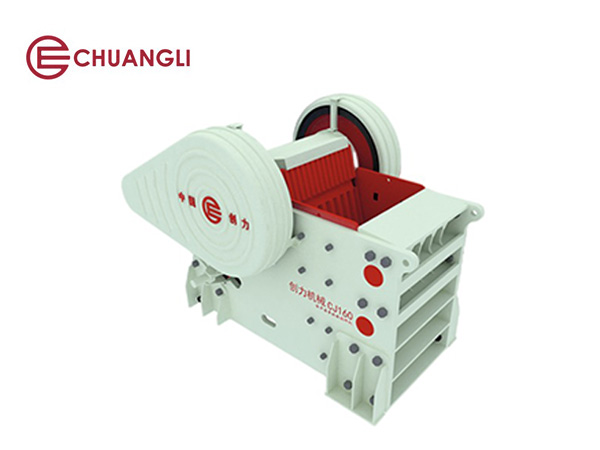
To comprehend the value of mobile recycling, one must first understand the core machinery. A primary jaw crusher is a reduction machine designed to shatter large, solid chunks of debris into smaller, uniform pieces. It operates utilizing raw compressive force. The machine features two vertical crushing dies, commonly known as jaw plates. One plate remains rigidly stationary. The other, the movable pitman, swings back and forth driven by an eccentric shaft.
As material enters the top of the V-shaped chamber, it is repeatedly squeezed between the two massive plates. With each stroke, the rock or concrete fractures. The shattered material drops lower into the chamber until it is small enough to fall through the bottom discharge gap. This straightforward, brute-force mechanism makes it highly effective for processing hard, abrasive materials that would quickly destroy more delicate, high-speed machinery.
Historically, aggregate processing was strictly confined to stationary plants. Excavators would load jagged concrete slabs onto dump trucks. These trucks then hauled the heavy loads across long distances to a central processing facility. Naturally, this method incurred massive transportation costs, accelerated fleet wear, and generated significant carbon emissions.
The evolution of mobile equipment has fundamentally disrupted this outdated workflow. By integrating the crushing unit, feeder, and conveyors onto a robust chassis, operators can now bring the factory directly to the waste source. Mobile units are generally categorized into two distinct types.
Tracked Units: Mounted on heavy-duty steel tracks, these machines are self-propelled via remote control. They excel on rough, muddy, and uneven demolition terrain. This allows operators to crawl the crusher right alongside the active demolition face.
Wheeled Portable Units: Built onto a semi-trailer chassis with standard axles, these crushers require a semi-truck tractor for relocation. They are the preferred choice for multi-site operations that require frequent highway travel between clean, flat recycling yards.
One of the most notoriously difficult materials in the demolition sector is reinforced concrete. Traditional pillars and foundations are heavily laced with thick steel rebar, wire mesh, and dowels. When processing this stubborn material, the slow, compressive action of a primary jaw unit proves vastly superior to other methods. Instead of spinning rapidly and tangling with the metal, the immense pressure simply fractures the brittle concrete matrix. The concrete crumbles and falls away. This leaves the steel rebar relatively straight and uncompromised, thereby preventing catastrophic internal jams.
Reclaimed Asphalt Pavement is a highly valuable commodity in modern road construction. When old highways are milled or excavated, the resulting asphalt chunks are bulky and difficult to transport. Mobile primary crushers effectively break down these large asphalt slabs into a uniform, workable size. Because asphalt can become sticky and clump together in warmer temperatures, the steep, gravity-fed design of the V-chamber helps prevent material buildup. The processed asphalt is then immediately ready to be blended into new hot-mix batches.
In reality, demolition sites rarely produce perfectly sorted materials. An excavator bucket typically scoops up a chaotic mixture of cinder blocks, red clay bricks, mortar, ceramic tiles, and natural stone. Mobile crushers are highly adept at digesting this mixed aggregate. By breaking down the raw debris on-site, contractors drastically reduce the sheer volume of material. This primary reduction prepares the mixed rubble for secondary screening, where fine dirt and sand can be separated from the usable coarse aggregate.
The recycling workflow begins with careful material preparation. An operator maneuvers a wheel loader or excavator, scooping up oversized demolition waste and gently depositing it into the machine's rear hopper. Situated directly below the hopper is a vibrating grizzly feeder. This component serves a dual, critical purpose. It regulates the flow of incoming debris to prevent bridging. Its spaced steel bars allow fine dirt, sand, and undersized particles to fall right through. Bypassing the crushing chamber entirely reduces unnecessary friction on the wear plates and significantly boosts overall throughput.
Once the oversized concrete enters the main chamber, the violent primary crushing cycle initiates. The movable jaw is driven by a heavy-duty eccentric shaft and supported at the base by a toggle plate. As the massive shaft rotates, it forces the movable jaw in a distinct elliptical motion, pushing it downward and forward against the stationary die.
When evaluating equipment for recycling, understanding internal mechanics is paramount. For instance, analyzing the Structure Of CJ125 Jaw Crusher demonstrates how the specific nip angle aggressively grips the material. This precise engineering prevents round rocks from bouncing upward. The shattered material drops lower with each compressive stroke until it clears the bottom gap.
In the realm of concrete recycling, magnetic separation is not a luxury. It is an absolute necessity. As the crushed aggregate and liberated steel rebar tumble out of the bottom of the chamber, they land on the primary discharge conveyor. Suspended directly above this moving belt is a heavy-duty overband magnetic separator. The powerful electromagnet aggressively yanks the steel rebar, wire, and mesh upward, pulling it out of the aggregate stream. A self-cleaning rubber belt then carries the scrap metal off to the side, dropping it into a designated bin for lucrative scrap resale.
The final stage in the on-site operation involves discharging the clean, processed aggregate. The main conveyor carries the crushed concrete away from the chassis, depositing it into a neat stockpile. To maximize yard efficiency, operators frequently pair the crusher with auxiliary radial stacker conveyors. This setup allows the plant to build massive stockpiles without requiring a loader operator to constantly move material out of the way. The finished product is now primed for immediate reuse as structural backfill or sale to local developers.
The most immediate, tangible financial benefit of on-site processing is the total eradication of waste disposal costs. Traditionally, when a contractor demolishes a commercial structure, they pay a steep per-ton transportation fee to haul the rubble away. This is immediately followed by a per-ton landfill tax just to dump it. By crushing the material directly on the footprint of the demolished building, these heavy liabilities vanish. For many mid-sized contractors, the savings from eliminated trucking and landfill fees alone can cover the monthly financing of the mobile equipment.
Beyond merely stopping the bleeding of disposal costs, mobile units actually generate fresh revenue streams. Crushed concrete and asphalt are highly sought-after commodities. When properly processed and screened, demolition waste can be certified as premium sub-base, drainage stone, or trench fill. Instead of purchasing expensive virgin crushed stone from a commercial quarry, contractors can utilize their own recycled material for the new build phase. Any surplus can be sold directly to local landscaping and construction firms, transforming a pile of waste into a lucrative profit center.
Utilizing mobile processing aligns perfectly with sustainable building certifications like LEED. By crushing on-site, companies eliminate the need for hundreds of heavy diesel truck trips. This drastically cuts localized greenhouse gas emissions. Furthermore, substituting recycled concrete for virgin rock directly preserves natural quarry ecosystems and conserves finite natural resources.
The internal geometry of the crushing chamber dictates the machine's ultimate performance. Top-tier recycling crushers utilize a deep, symmetrical V-shaped cavity. For example, advanced models feature a massive 1250 by 950 millimeter feed opening. This specific architectural design allows the machine to swallow larger, irregular chunks of concrete without bridging or stalling. Moreover, the steep angle ensures that material flows smoothly downward under the force of gravity. This maintains a consistent production rate and prevents the dreaded boiling effect, where round rocks simply bounce around at the top of the chamber without being gripped.
Crushing high-strength reinforced concrete generates violent, extreme shock loads. To survive these punishing conditions day in and day out, the machine must possess a highly durable internal skeleton. Large, perfectly balanced cast-iron flywheels are mounted on either side of the chassis to store kinetic energy. This momentum ensures the pitman doesn't stall when the jaws bite down on a particularly solid block of foundation.
Coupled with the flywheels is the massive eccentric shaft, typically forged from high-strength alloy steel. A robust jaw crusher relies on oversized spherical roller bearings and rugged shaft designs to absorb the relentless vibrations of recycling applications. This engineering protects the frame from stress fractures and extends the operational lifespan of the asset.
The size of the final recycled product is dictated by the closed side setting. This is the narrowest gap between the jaw plates at the bottom of the chamber. In antiquated models, adjusting this gap required operators to manually hammer heavy steel shims into the back of the machine. This process was both dangerous and time-consuming. Conversely, modern mobile units feature advanced hydraulic wedge adjustment systems. With the push of a button on a wireless remote, operators can safely expand or narrow the gap in a matter of minutes. This flexibility allows a recycling yard to seamlessly switch from producing coarse fill in the morning to fine road base in the afternoon.
When outfitting a recycling operation, plant managers frequently debate whether to deploy a jaw unit or an impact crusher. Generally, these two technologies serve entirely different roles in the reduction circuit. A jaw machine is strictly a primary crusher. It acts as the robust gatekeeper, designed to take the first massive bites of raw, oversized demolition waste. In contrast, an impact crusher is typically utilized as a secondary crusher. It takes the pre-crushed material and shatters it against internal breaker plates at high speeds to produce a highly uniform, cubical aggregate shape required for strict paving specifications.
The most critical divergence between the two machines is how they react to steel and abrasive friction. Impact crushers utilize heavy metallic blow bars spinning on a rotor at high speeds. If a long, thick piece of steel rebar enters an impact chamber, it can easily wrap around the rotor or violently eject. This shears off the blow bars and causes catastrophic damage to the internal apron liners.
Specifically, the slow, compressive squeezing action of a jaw unit safely bends the rebar and pushes it through the bottom gap without damaging the machine. Additionally, highly abrasive materials like asphalt, red brick, and silica-rich stone will rapidly grind down the expensive blow bars of an impactor. Jaw plates, cast from work-hardening manganese steel, offer vastly superior wear resistance in these abrasive conditions, keeping maintenance costs predictable.
Selecting the right technology depends heavily on your feed material and end-product goals.
Consideration | Choose a Jaw Crusher If... | Choose an Impact Crusher If... |
|---|---|---|
Feed Material | Heavy reinforced concrete, highly abrasive stone, raw mixed demolition waste. | Clean concrete without rebar, limestone, asphalt surface milling. |
Desired Output | Primary reduction creating coarse fill with an elongated shape. | Final product shaping requiring a cubical aggregate to meet strict specifications. |
Maintenance Costs | You want lower wear-part replacement costs in highly abrasive environments. | You are willing to replace wear parts frequently in exchange for better product shape. |
Investing in mobile processing equipment requires matching the machine’s specific capabilities to your existing fleet. The most vital metric to check is the intake opening. As a general rule of thumb, the maximum dimension of the incoming concrete rubble should never exceed 80 percent of the gape width. If your excavators are handling 800 millimeter concrete slabs, you need a high-performance jaw crusher with an opening of at least 1250 by 950 millimeters. If the feed opening is too small, operators will waste hours using hydraulic hammers to pre-break concrete slabs. This entirely destroys your daily production efficiency. Ensure the machine's rated capacity, often ranging from 300 to 650 tons per hour, comfortably aligns with your project timelines.
Contractors must rigorously evaluate their physical logistical requirements before purchasing. If your daily operations involve navigating active, muddy, or debris-littered demolition sites, a tracked crawler unit is non-negotiable. The tracks distribute the massive weight, allowing the machine to maneuver over rugged terrain and stay close to the excavator. However, if your business model involves operating multiple static, paved recycling yards and you need to move the equipment across public highways weekly, a wheeled portable chassis is far more practical. It can be towed by a standard semi-truck without the need for specialized heavy-haul trailers.
In the heavy equipment sector, unexpected downtime is the ultimate enemy of profitability. When crushing highly abrasive waste, consumable wear parts will inevitably degrade. These parts include corrugated manganese jaw dies, cheek plates, and toggle seats. When evaluating manufacturers, prioritize designs that guarantee rapid maintenance access.
Inspect the machine's design for mechanic accessibility. Top-tier models emphasize hydraulically lifting conveyors, easily accessible centralized grease banks, and spacious open-chassis designs. These features allow your maintenance crew to perform routine servicing safely and swiftly, keeping the plant running at peak profitability.
Mobile crushers have irrevocably transformed the way the construction industry handles waste. By bringing immense crushing power directly to the demolition site, forward-thinking contractors can instantly eliminate exorbitant transportation costs, bypass landfill dumping fees, and drastically reduce their carbon footprint. More importantly, these rugged machines convert useless rubble into highly valuable, sellable recycled aggregates.
Whether you are dealing with heavily reinforced concrete or abrasive mixed demolition debris, understanding the mechanical advantages and structural features of these machines is vital. We encourage plant managers and contractors to critically evaluate their current material workflows. By upgrading to high-efficiency, structurally robust mobile crushing equipment, you can turn your biggest disposal liabilities into your most profitable assets. To upgrade your material workflows and select the ideal equipment for your site, visit Chuangli Crushers and explore our advanced crushing solutions tailored to your specific project needs.
Yes, these machines are exceptionally effective at processing reinforced concrete. Unlike high-speed impactors that can be destroyed by loose metal, the slow compressive mechanics of the chamber crush the brittle concrete matrix until it fractures away from the ductile steel rebar. The rebar simply bends and drops through the discharge opening. An overband magnetic separator, suspended above the main discharge conveyor, then utilizes a high-gauss magnetic field to pull the steel out of the aggregate stream and deposit it into a separate collection bin.
The final output dimension is directly controlled by the closed side setting. In typical recycling applications, the gap is adjusted to produce a coarse aggregate ranging from 100 millimeters to 200 millimeters. This coarse material is often perfectly suitable as a sub-base fill material for civil engineering projects. If a finer, more uniform product is required, this coarse output is subsequently fed into a secondary impact or cone crusher.
Operating expenditures are calculated on a cost-per-ton basis and fluctuate based on power configuration, material hardness, and local fuel prices. Additional costs include the depreciation of manganese wear parts and operator wages. However, empirical industry data consistently shows that these operational costs are heavily offset by the massive savings gained from eliminating landfill dumping fees and third-party trucking expenses.
The lifespan of the manganese jaw dies depends entirely on the abrasiveness of the feed material and the daily operating hours. Clean concrete is relatively forgiving. Conversely, mixed waste containing high volumes of silica-rich red brick, tile, and asphalt is highly abrasive. To maximize wear life, the stationary and movable dies can usually be flipped end-to-end once the lower crushing zone wears down. Depending on plant throughput, plates may require replacement every three to six months.
Because tracked units are incredibly heavy, often weighing between 30 and 50 metric tons, they cannot be driven on public roads. They must be driven onto specialized multi-axle lowboy trailers using their wireless remote-controlled crawler tracks. Due to their large dimensions and immense weight, transporting these machines frequently requires wide-load permits, pilot vehicles, and strict adherence to regional axle-weight regulations during highway transit.
Fuel consumption varies significantly based on the machine's size, the hardness of the material being processed, and the drive system. Traditional diesel-hydraulic models typically consume between 25 and 45 liters of diesel per hour under heavy load. However, modern diesel-electric hybrid crushers can reduce fuel consumption by up to 30 percent, offering a much lower operating cost per ton while maintaining high production capacities.
Yes, modern mobile crushers are designed with urban environments in mind. To comply with strict residential noise and dust regulations, these machines are equipped with advanced soundproof enclosures around the engine compartment and rubber-lined chutes to dampen impact noise. Furthermore, integrated high-pressure water spray systems are positioned at the feeder, crushing chamber, and conveyor discharge points to effectively suppress airborne silica dust during operation.


